


Deploying a hybrid advertising model enables modern brands to unify physical outdoor exposure with digital conversion channels seamlessly. A consumer’s daily journey no longer occurs within a single dimension. Audiences navigate physical environments while simultaneously engaging with digital screens in their pockets. Limiting media buying to isolated channels reduces total campaign reach and dilutes brand recall. The strategic answer to this fragmented consumer behavior is hybrid advertising, an integrated methodology connecting Digital Out-of-Home (DOOH) screens with cross-device digital retargeting.
Evaluating Hybrid Media Integration Across Touchpoints
Before allocating budget across outdoor networks, media buyers must structure sequential campaign touchpoints across physical and digital environments.
| Campaign Touchpoint | Environmental Context | Primary Objective | Key Engagement Metric |
| DOOH Billboard Exposure | Public & High-Traffic Transit | Visual Awareness & Scale | Impression Volume & Location Reach |
| Mobile Retargeting Feed | Personal Mobile Browsing | Consideration & Nurturing | Click-Through Rate (CTR) |
| Search & Social Sequence | Active Intent Search & Feeds | Direct Conversion & Action | Lead Form Submissions & Cost Per Acquisitio |
The Strategic Foundation of Physical DOOH Impact
Digital Out-of-Home (DOOH)—the network of dynamically controlled digital billboards, transit shelters, and indoor venue screens placed in high-density locations—has evolved into an agile programmatic asset. Displaying messages across business districts, fitness centers, and commercial hubs delivers high-impact visual reach in high-foot-traffic areas.
However, the true value of a hybrid advertising framework extends beyond initial physical exposure. By bridging outdoor visibility with digital tracking signals, media buyers transform passive physical viewability into structured digital actions within a unified conversion funnel.
Data Synchronization for Continuous Audience Reach
When consumers pass through high-density physical zones and view DOOH placements, Demand-Side Platforms (DSP)—the automated software that enables advertisers to purchase digital display, video, audio, CTV, and DOOH inventory in real time—capture contextual geolocation data and impression timestamps.
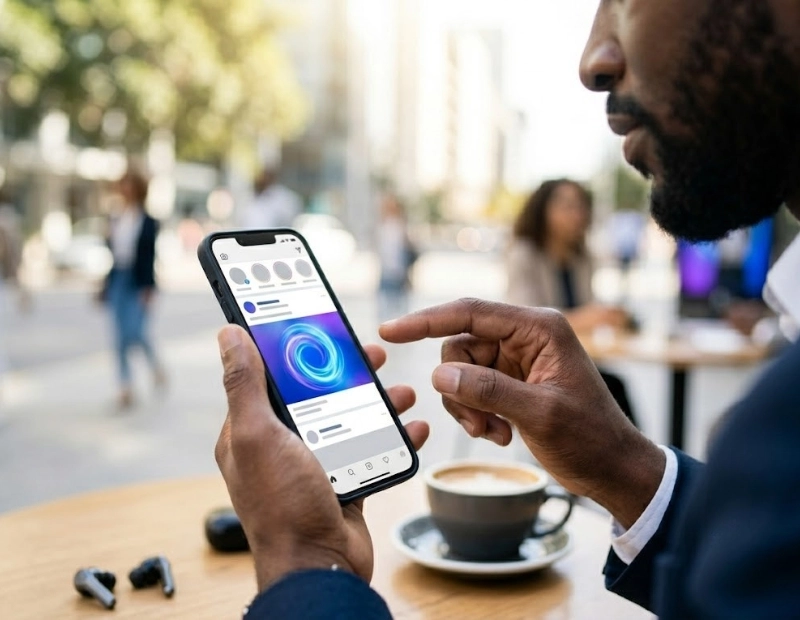
This contextual data triggers automated retargeting sequences across social networks and search engines. Through this synchronized workflow, an individual exposed to a digital billboard during their morning commute receives a personalized follow-up ad on their smartphone later that afternoon, reinforcing brand message recall and driving intent.
A Three-Stage Hybrid Strategy in Execution
- Stage 1 (Physical Capture): A corporate professional views a high-definition DOOH screen in a financial district promoting specialized business services during their morning commute.
- Stage 2 (Mobile Connection): During lunch, the same user engages with a complementary native ad on LinkedIn or a news portal served via location-based mobile retargeting.
- Stage 3 (Conversion Execution): Initial interest stays active through sequential retargeting across Google Search and Meta Ads, guiding the prospect toward a customized online consultation.
Implementing an agile hybrid advertising approach concentrates ad spend on audiences with validated contextual relevance, eliminating wasted impressions across unsegmented demographics.
Executing High-Impact Hybrid Advertising in Minneapolis
For regional businesses, B2B firms, and retail brands across Minneapolis, St. Paul, and the Twin Cities metro area, executing hybrid advertising builds local market dominance. Synchronizing dynamic DOOH screens in Downtown Minneapolis commercial corridors with geo-fenced mobile retargeting ensures continuous, high-impact consumer engagement from public streets to digital storefronts.
Ready to unify your physical and digital media investments into a high-converting funnel? Schedule a strategic consultation with JLLB Media today and build a custom multi-channel ad campaign.
Frequently Asked Questions
How can a business in Minneapolis execute integrated digital ad campaigns?
JLLB Media provides full-service digital media buying in Minneapolis. As highlighted in our founder’s interview with Voyage Minnesota, JLLB Media focuses on practical digital media strategy and multi-platform buying to help local organizations scale sustainably across DOOH, mobile retargeting, and search channels.
What is the primary benefit of a hybrid advertising strategy?
A hybrid advertising strategy bridges high-visibility physical DOOH displays with personalized digital retargeting, maximizing message frequency, brand recall, and lead conversions.
How does location-based retargeting connect DOOH to mobile ad delivery?
Programmatic Demand-Side Platforms utilize anonymized location data and timestamped impressions from DOOH screens to identify mobile devices present during ad displays, triggering follow-up ad sequences on those mobile devices.